

The flavors are complex and intense.
I hadn’t been to Mexico City since I was a kid. I saw the Zocalo and the Zona Rosa with my parents. It was fun and the city was enormous, it still is. I just went back and had my gastronomic and cocktail perspective blown by what the cooks, sommeliers and mixologists are doing. It is a fascinating combination of local flavors: bring on the roasted tomatillos and lime; as well as foreign influences: hey there’s kimchi in my carbonara. There are a number of key factors that I think are bringing these flavors together:
- Pride in the local cuisine and access to fresh ingredients
- Regional traditions maintained as Mexicans move from different areas of the country
- Respect for traditional cooking
- An abundance of local ingredients: fresh tortillas or fried grasshoppers: check!
- The welcoming hospitality of the residents of Mexico City, or CDMX as they like to call it
- The safety of the city and its relatively lower price for entry for a bar or a restaurant, compared NYC or SF
- The fact that Mexico kept its borders open during the pandemic: it became a safe, warm, welcoming haven for many of us to sit out the crisis
- The city became a culinary incubator in the pandemic and has since continued to up its culinary game
- The huge amount of wealthy immigrants who have moved here and have brought a cash infusion
- It is home to a great airport that is a 2.5 flight from Miami and four from SFO
- An abundance of affordable hotels and Airbnbs
- A perfect climate for indoor and outdoor dining and shopping
The Best Bites
So where do I start? I think some of the simplest food was the best. Tortas on the street, fried fish and the amazing little bananas and rambutan for sales at the markets. Culinary Backstreets did an amazing tour of the lesser-known area of Tacubaya, where you probably wouldn’t happen to land by accident, showing off Flautas made with beef head, for approximately 50 cents apiece. Our very intuitive tour guide Eduardo noted that the residents of CDMX commute a lot and work a lot, so they need fast, filling and nitrous food. That is a big hunk of cultural heritage that can be riffed on quite a lot. That might involve flavors from other cuisines, or techniques from the U.S. 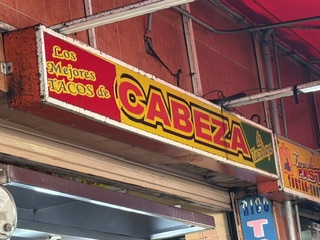

Then come the locals who know how to create buzz in a restaurant with interesting, and attractive food–with tons of flavor–like Chef Max at the recently opened Astronomic in Jaurez. He’s putting bearnaise sauce and oxtail jus sauce on a local dish of octopus and it works! His restaurant partner Laura Santander knows how to bring the vibe with great cocktails and private bar areas that can be closed off for intimate parties. She is also trying to promote wine flights with food so guests get a little background on a range of wines that might work with the foods. Mexicans are steadfast fans of their local wine production although not all of it is consistent and most bottles are coming on the market at price points such at $30 a retail, which is hard to support for an emerging wine area. Most restaurants also have a healthy wine list of imports, with an affection for their Latin neighbors Chile and Argentina, and an appreciation for Spain that still endures. Natural wine is very trendy here perhaps more than it should be–once again only my opinion–as I don’t know how well the funky flavors pair with the purity of these ingredients and the mix-up of culinary influences (or much serious food in general but that is another discussion entirely).
The Wine Bar by CMB, which one of the world’s most respected wine competitions that I have had the pleasure of judging, is also stunning. Its elegant multi-level space features a full menu in the Zona Rosa and a number of flights. Mexican wines are, of course, on offer but it might be one of the few places in town you can also find a Moldovan wine. It is an oasis of calm in this busy area.
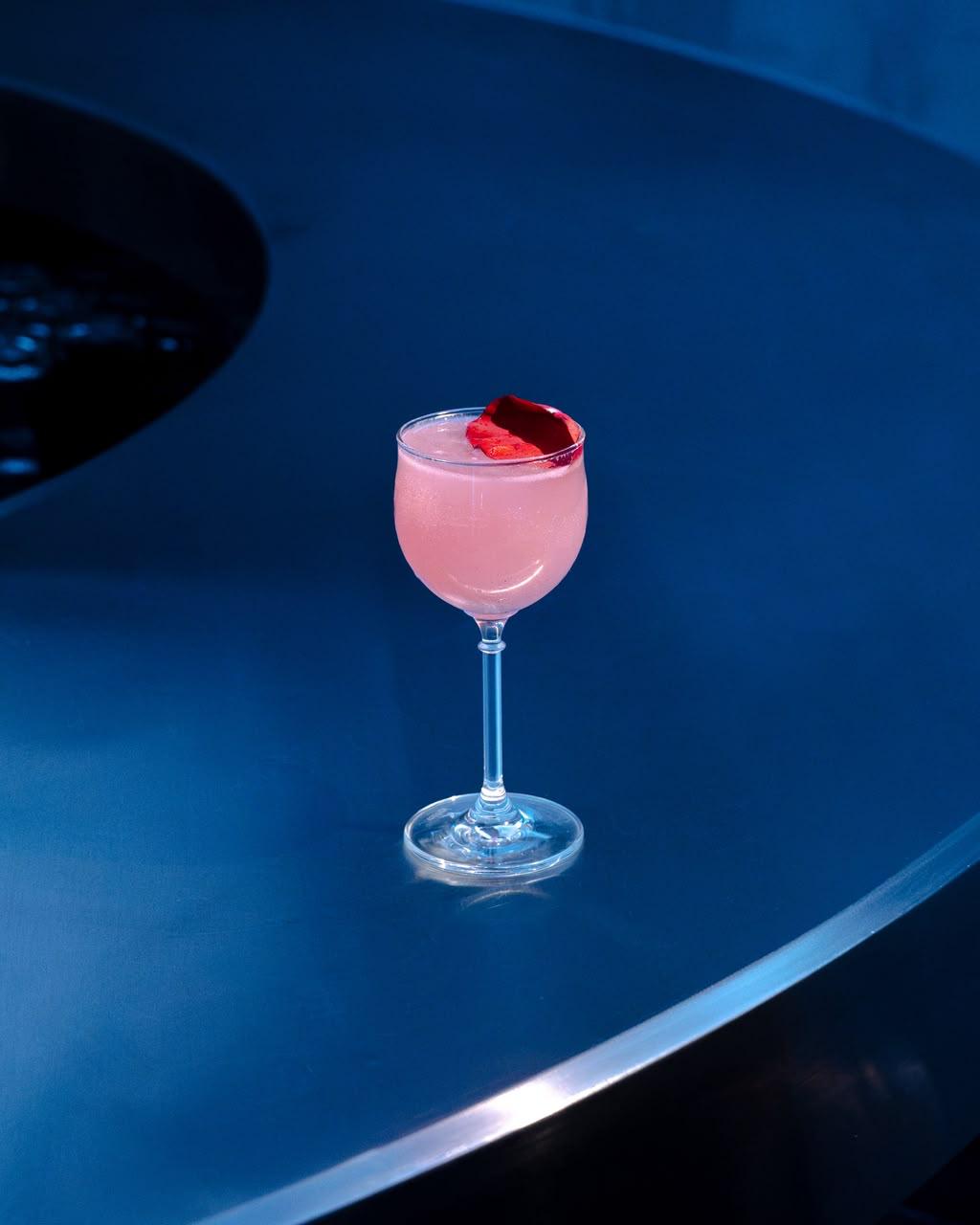
A drink at Astronomic.
Cocktail Culture is Over the Top
Is it not a coincidence that CDMX’s bars keep hitting the high notes. They are working with major primary local products: not just Tequila and Mezcal but all those unusual local products such as Tepache, a fermented pineapple liquor, and pulque an ancient drink made from the fermented sap of the agave plant that is served in a wild variety of flavors in bars in the lower-key areas of the city. The drink has an unmerited bad reputation but now is simply a fantastic, low-alcohol quaff that can be served in some serious local bars.
Local bars, such as Tlecan, focus on pre-Hispanic drinks and only serve local products (including grasshoppers which didn’t taste like much). This small bar on one of the main arteries of the trendy neighborhood of Roma is a destination that can turn you onto many local ingredients. Bars such as Limantour, which launched many local bartenders, cater to all kinds of drink preferences, including gin lovers like me. I particularly like the Clasica Condesa gin.
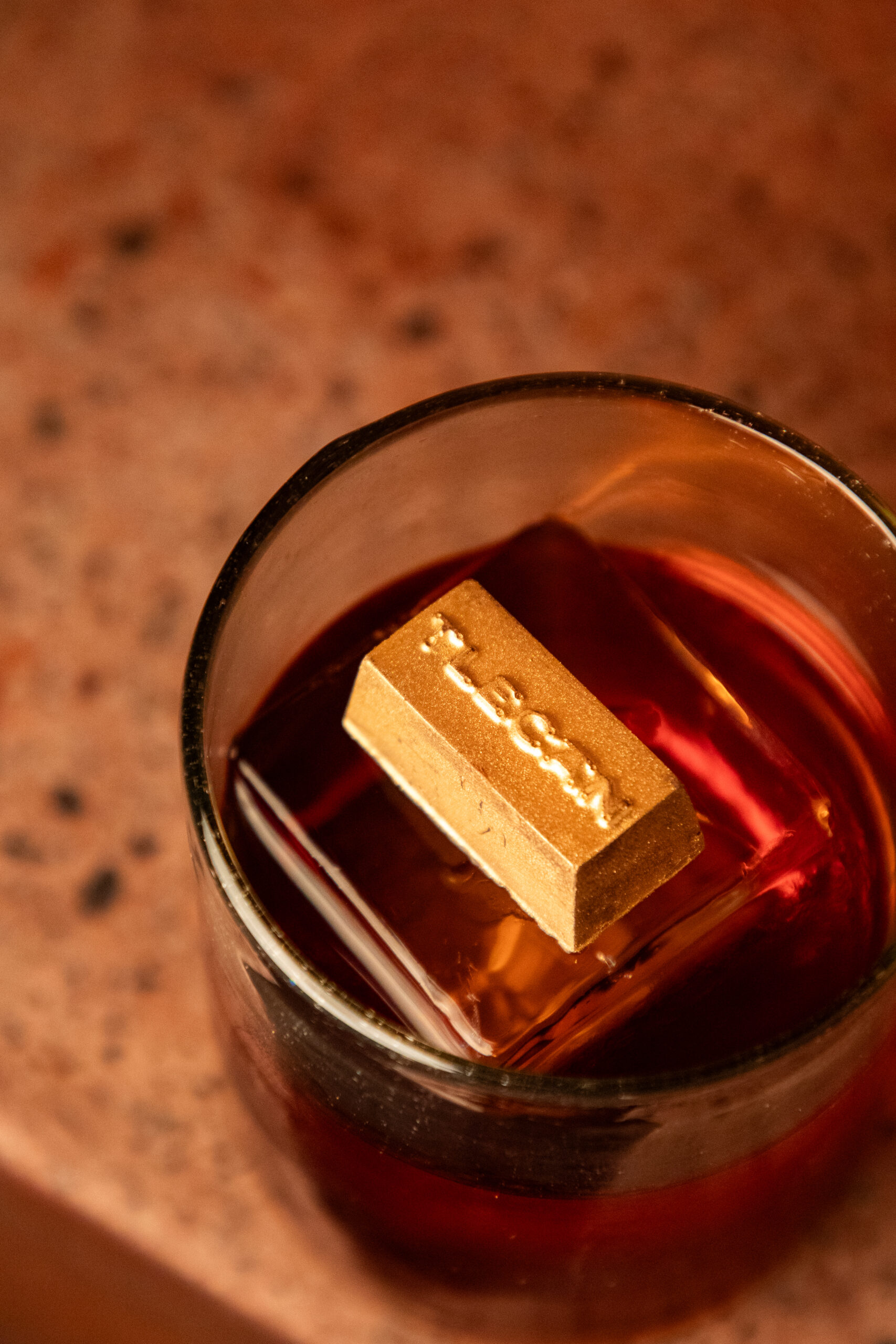
A cocktail at Tlecan.
Traditions Still Reigns
As many trendy restaurants may pop up to cater to every taste, the mothers and the grandmothers still have the last word here. Whether to go to a place featuring flautas of beef head or just some great pibil–I’ll attach at recipe here and you can make it with chicken too–you will enjoy the food and the wander. There is also a bounty of fresh fruit and vegetables at the local markets, along with great seafood offerings.
